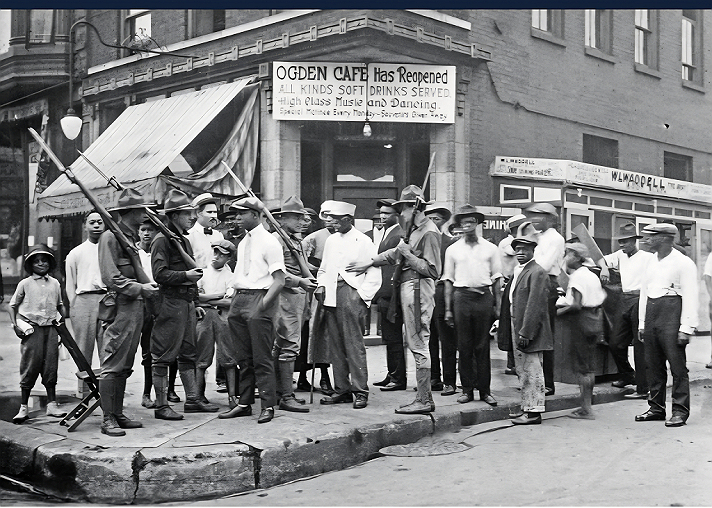


The "Red Summer" of 1919 refers to a period of intense, widespread racial violence that erupted across more than three dozen cities and rural counties in the United States between late winter and early autumn of 1919. The term was coined by civil rights activist and NAACP field secretary James Weldon Johnson to describe the literal bloodshed that characterized these months.
## Core Drivers of the Violence
* The Great Migration: Millions of African Americans moved from the rural South to Northern and Midwestern cities. White residents fiercely resisted this demographic shift, resulting in intense competition over housing and industrial jobs.
* Returning WWI Veterans: Black soldiers returned from Europe expecting the full rights of democracy they had fought to defend. White supremacists viewed this newfound assertiveness as a direct threat to the racial hierarchy.
* Labor Tension: Post-war economic contraction led to widespread strikes and layoffs. White workers frequently targeted Black workers, who were often hired as strikebreakers by corporate owners trying to undermine unions.
* Anti-Communist Paranoia: The First Red Scare was peaking. White politicians and newspapers falsely claimed that Black demands for civil rights were orchestrated by Soviet Bolsheviks.
## Major Conflict Points
* Washington, D.C. (July): False rumors of an assault sparked four days of violence by white mobs, including servicemen, before Black residents successfully organized to arm and defend their neighborhoods.
* Chicago, Illinois (July–August): The drowning of Eugene Williams ignited a week of unrest that left 38 people dead and over 1,000 homeless.
* Elaine, Arkansas (September–October): Black sharecroppers attempting to unionize for fairer wages were attacked by local white mobs and federal troops. It is estimated that up to 200 Black men, women, and children were massacred.
## Historical Significance
Unlike earlier instances of racial terror where victims had few ways to resist, the Red Summer marked a turning point of organized, armed Black self-defense. Black veterans deployed military tactics to protect their families, and organizations like the NAACP experienced massive membership surges, setting the foundational groundwork for the modern civil rights movement. #sovereignty #Uhuru
## Core Drivers of the Violence
* The Great Migration: Millions of African Americans moved from the rural South to Northern and Midwestern cities. White residents fiercely resisted this demographic shift, resulting in intense competition over housing and industrial jobs.
* Returning WWI Veterans: Black soldiers returned from Europe expecting the full rights of democracy they had fought to defend. White supremacists viewed this newfound assertiveness as a direct threat to the racial hierarchy.
* Labor Tension: Post-war economic contraction led to widespread strikes and layoffs. White workers frequently targeted Black workers, who were often hired as strikebreakers by corporate owners trying to undermine unions.
* Anti-Communist Paranoia: The First Red Scare was peaking. White politicians and newspapers falsely claimed that Black demands for civil rights were orchestrated by Soviet Bolsheviks.
## Major Conflict Points
* Washington, D.C. (July): False rumors of an assault sparked four days of violence by white mobs, including servicemen, before Black residents successfully organized to arm and defend their neighborhoods.
* Chicago, Illinois (July–August): The drowning of Eugene Williams ignited a week of unrest that left 38 people dead and over 1,000 homeless.
* Elaine, Arkansas (September–October): Black sharecroppers attempting to unionize for fairer wages were attacked by local white mobs and federal troops. It is estimated that up to 200 Black men, women, and children were massacred.
## Historical Significance
Unlike earlier instances of racial terror where victims had few ways to resist, the Red Summer marked a turning point of organized, armed Black self-defense. Black veterans deployed military tactics to protect their families, and organizations like the NAACP experienced massive membership surges, setting the foundational groundwork for the modern civil rights movement. #sovereignty #Uhuru